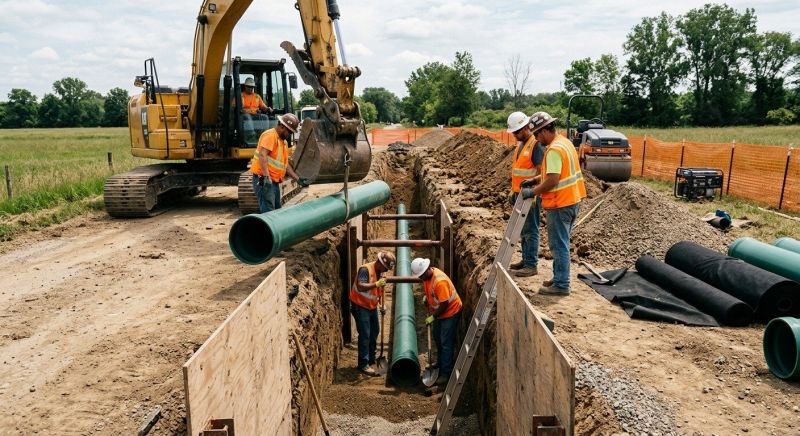
Trench Installation in Atlanta, GA
Trench installation services involve digging narrow, deep channels into the ground to support various types of utility lines, drainage systems, or landscaping features. These projects often include installing underground cables, pipes for water or sewage, irrigation systems, or foundations for fences and retaining walls. Property owners typically request trenching when planning new utility connections, upgrading existing infrastructure, or managing drainage issues around their homes and yards. Understanding the scope of the project, the depth and width of the trench needed, and any permits or regulations in the area are important considerations before requesting trench installation services.
Homeowners should also consider the impact on their property, including potential disruptions to landscaping or existing structures, and inquire about the restoration process after trenching is complete. It’s helpful to clarify what types of soil and terrain are involved, as these factors can influence the complexity and cost of the project. Proper planning ensures that trench installation aligns with the property’s needs and complies with local codes, making it a vital step in many home improvement or maintenance projects.
Many property owners in Atlanta, GA look into Trench Installation for repairs, replacements, upgrades, and appearance-related improvements.
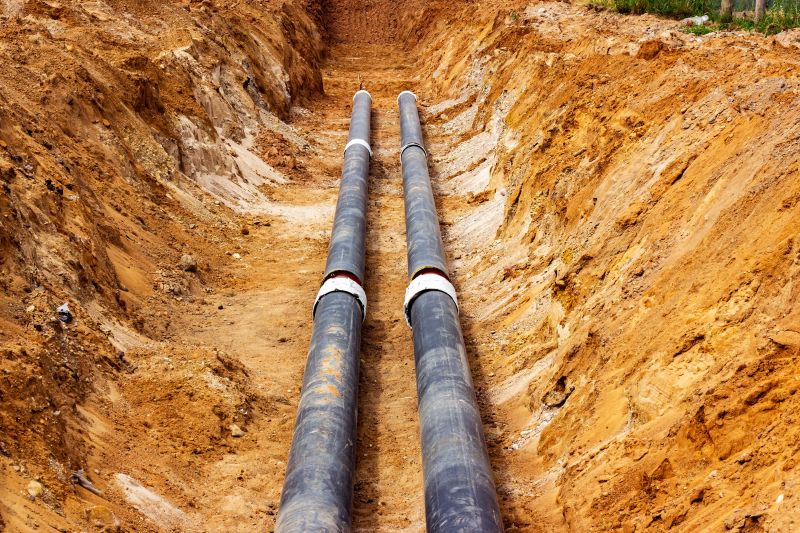
Drainage And Utility Installation
Trenches are essential for installing underground utilities and managing water runoff on residential and commercial properties.
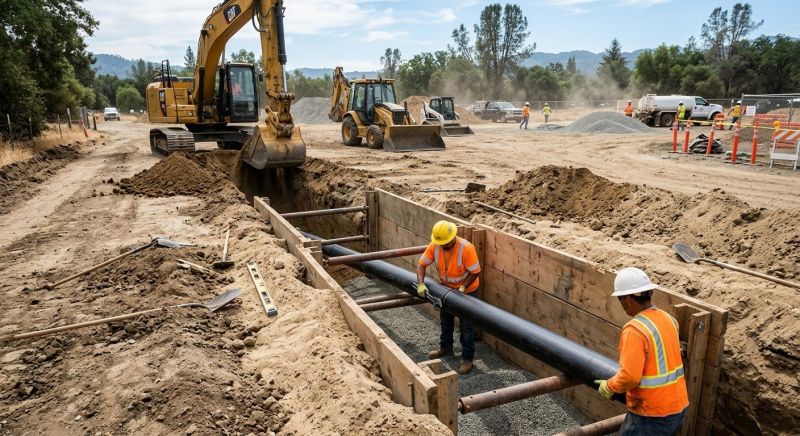
Foundation And Landscaping Support
Proper trenching provides a stable foundation for fences, retaining walls, and landscaping features in atlanta neighborhoods.
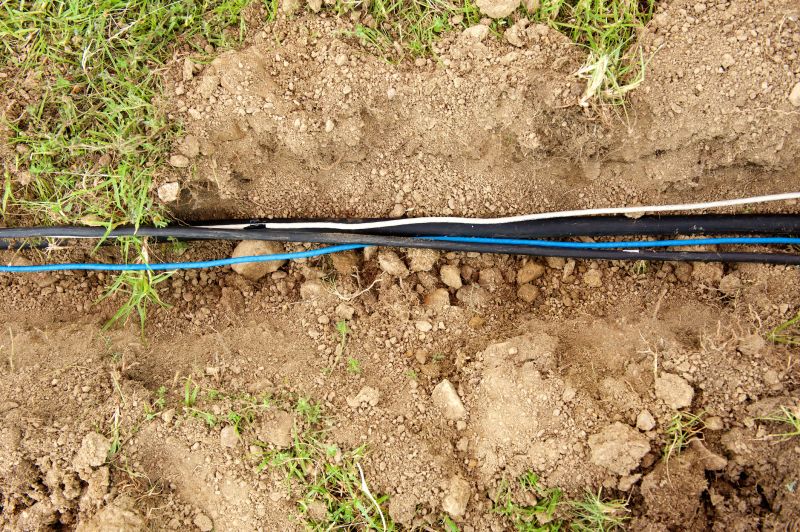
Property Expansion And Renovation
Trench services facilitate additions and renovations by creating pathways for plumbing, electrical, and drainage systems.
Trench Installation in Atlanta, GA
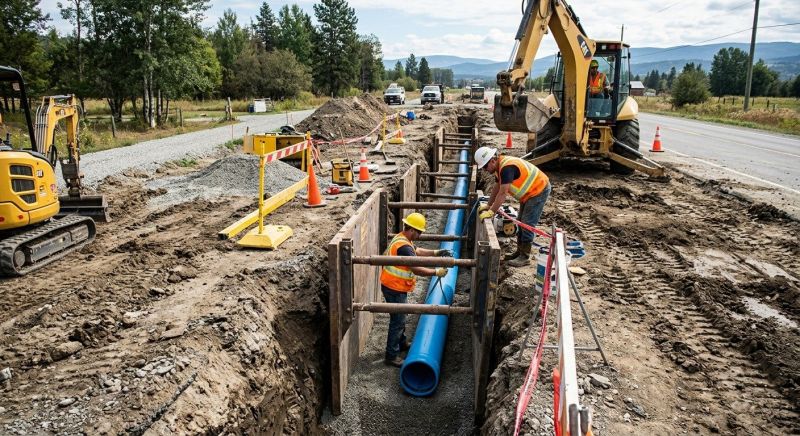
Trench installation services involve digging narrow, deep channels into the ground to support various types of utility lines, drainage systems, or landscaping features. These projects often include installing underground cables, pipes for water or sewage, irrigation systems, or foundations for fences and retaining walls. Property owners typically request trenching when planning new utility connections, upgrading existing infrastructure, or managing drainage issues around their homes and yards. Understanding the scope of the project, the depth and width of the trench needed, and any permits or regulations in the area are important considerations before requesting trench installation services.
Homeowners should also consider the impact on their property, including potential disruptions to landscaping or existing structures, and inquire about the restoration process after trenching is complete. It’s helpful to clarify what types of soil and terrain are involved, as these factors can influence the complexity and cost of the project. Proper planning ensures that trench installation aligns with the property’s needs and complies with local codes, making it a vital step in many home improvement or maintenance projects.
Many property owners in Atlanta, GA look into Trench Installation for repairs, replacements, upgrades, and appearance-related improvements.
Common Trench Installation Jobs
Drainage Trench Installation - helps manage water flow and prevent flooding around the property.
Foundation Drainage Trench - protects basement or crawl space foundations from water damage.
Landscape Drainage Trench - improves yard drainage and reduces soil erosion.
French Drain Installation - directs excess water away from structures to keep the area dry.
Perimeter Trench Work - creates a barrier to control water infiltration around the property.
Stormwater Management Trench - facilitates proper runoff control during heavy rains.
Trench Installation Questions
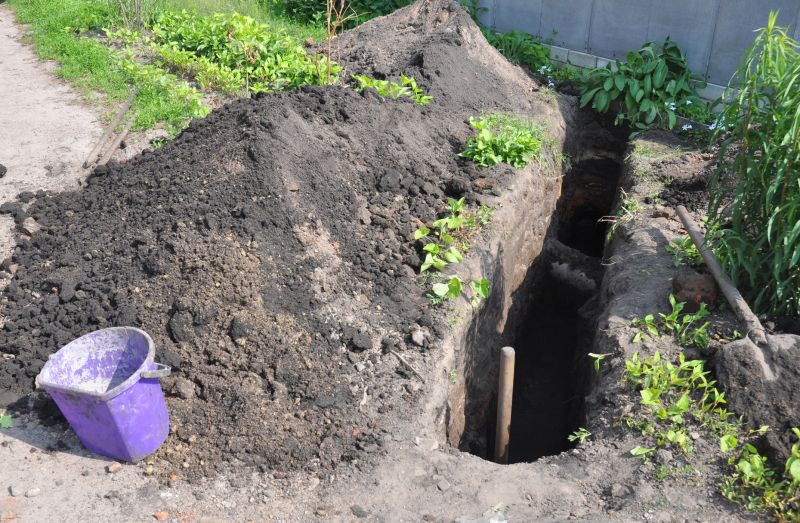
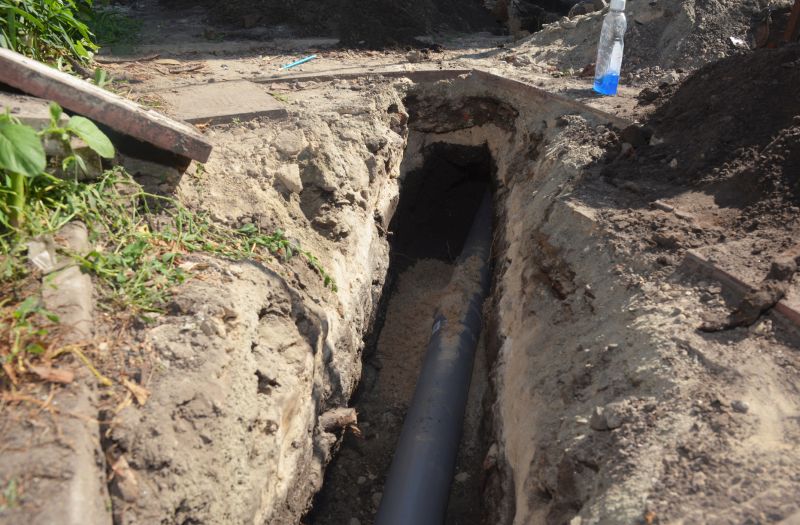
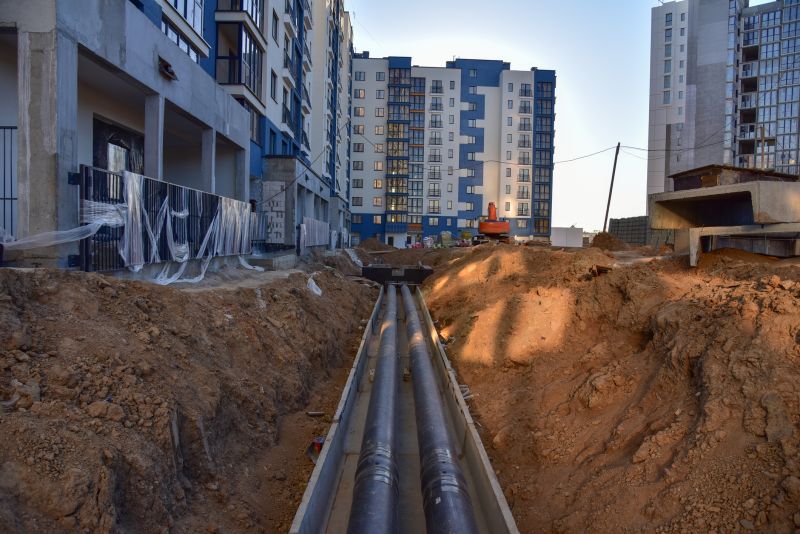
What types of projects require trench installation? Trench installation is often needed for underground utilities, drainage systems, irrigation lines, and foundation drainage solutions.
How deep are trenches typically dug? Trenches are usually dug to a depth suitable for the specific project, often ranging from 12 inches to several feet, depending on the purpose.
What materials are used for trench backfill? Common backfill materials include soil, gravel, or other approved fill to ensure stability and proper drainage.
Are there any property considerations before trenching? Property owners should consider existing underground utilities, property layout, and drainage patterns before trench installation.
Request Trench Installation in Atlanta, GA
Use the quote form on this page to share the basics of your project and request more information for the type of work you need.