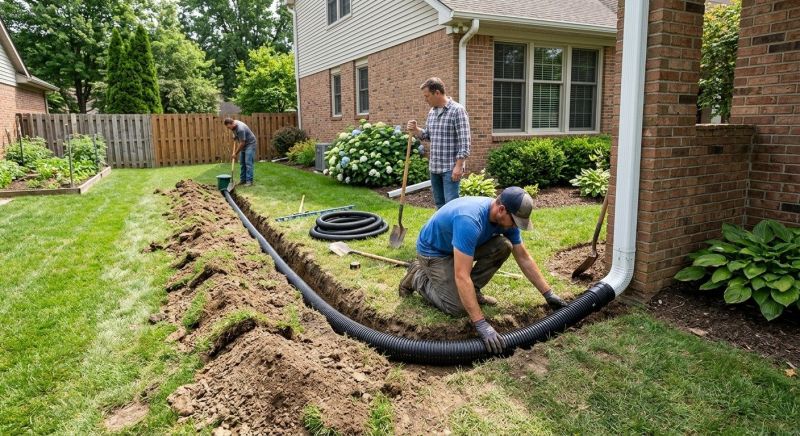
Drainage Trench Installation in Salt Lake City, UT
Drainage trench installation is a practical solution for managing excess water around residential properties. This service involves digging a narrow, lined trench designed to redirect water away from foundations, basements, or other vulnerable areas. Homeowners often request drainage trenches to prevent flooding, reduce soil erosion, or improve overall water runoff management, especially in yards prone to pooling during heavy rains or snowmelt.
Before requesting drainage trench installation, property owners typically want to understand the specific areas that need drainage improvement and the type of soil or terrain involved. It’s also helpful to consider the desired water flow direction and any existing landscaping or underground utilities that may impact the trench’s placement. Proper planning ensures the system effectively reduces water buildup and protects the property’s foundation and landscaping over time.
Many property owners in Salt Lake City, UT look into Drainage Trench Installation for repairs, replacements, upgrades, and appearance-related improvements.
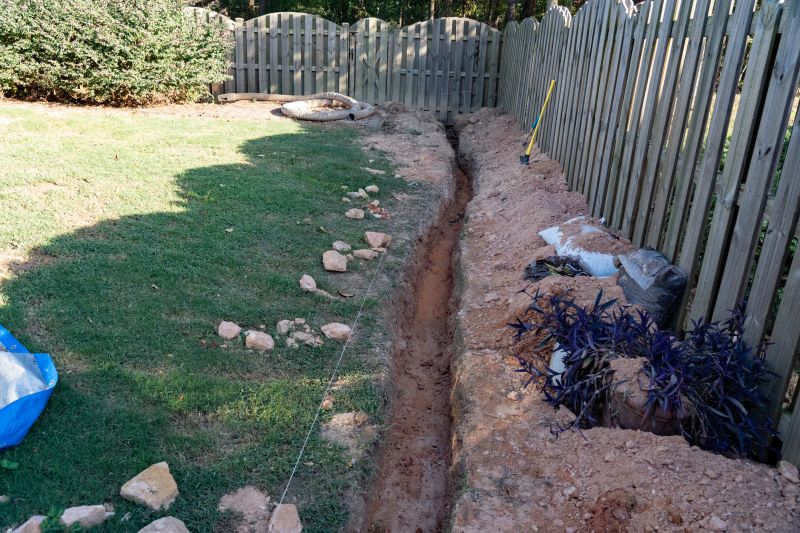
Purpose Of Drainage Trenches
Drainage trenches help direct excess water away from foundations and landscaping to prevent damage.
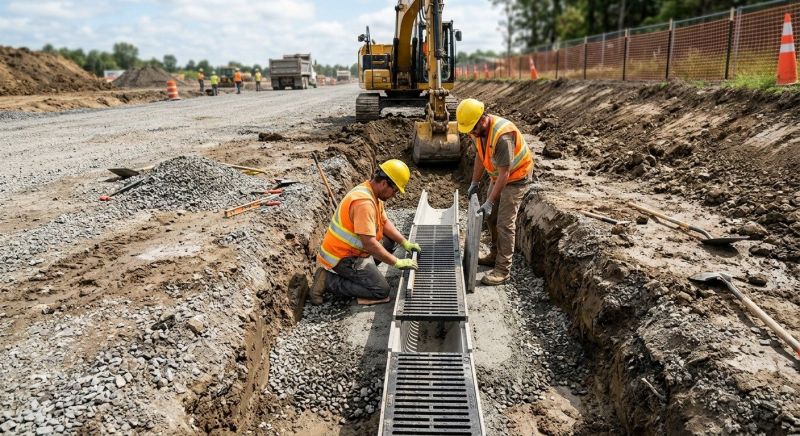
Common Installation Projects
These trenches are often installed around driveways, patios, and garden beds in salt lake city properties.
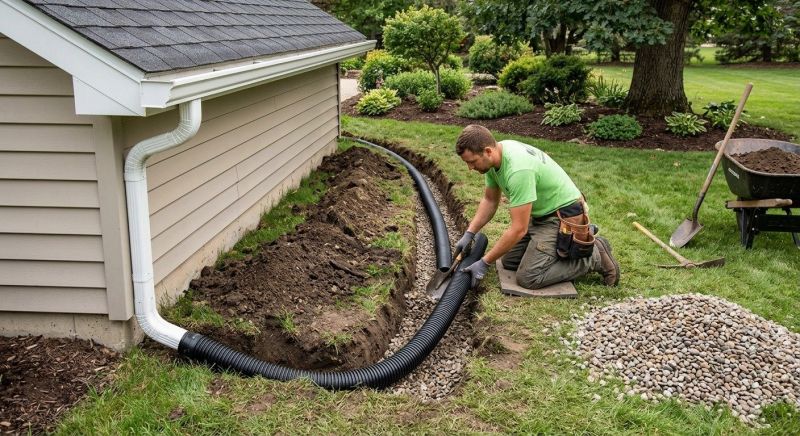
Benefits For Property Owners
Properly installed drainage trenches reduce erosion, control flooding, and improve overall yard drainage.
Drainage Trench Installation in Salt Lake City, UT
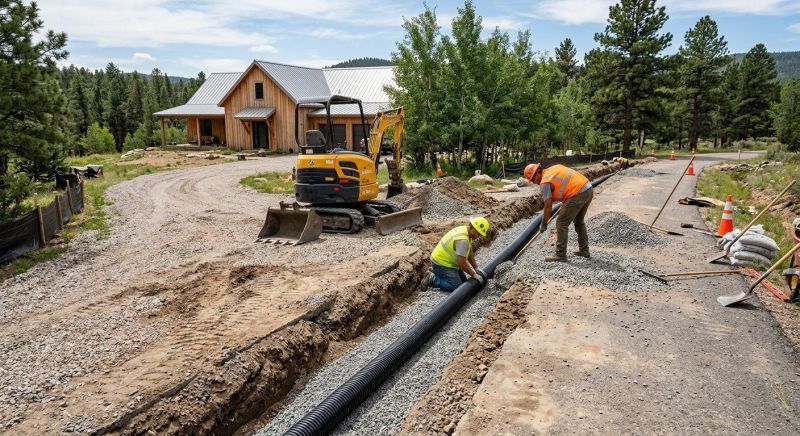
Drainage trench installation is a practical solution for managing excess water around residential properties. This service involves digging a narrow, lined trench designed to redirect water away from foundations, basements, or other vulnerable areas. Homeowners often request drainage trenches to prevent flooding, reduce soil erosion, or improve overall water runoff management, especially in yards prone to pooling during heavy rains or snowmelt.
Before requesting drainage trench installation, property owners typically want to understand the specific areas that need drainage improvement and the type of soil or terrain involved. It’s also helpful to consider the desired water flow direction and any existing landscaping or underground utilities that may impact the trench’s placement. Proper planning ensures the system effectively reduces water buildup and protects the property’s foundation and landscaping over time.
Many property owners in Salt Lake City, UT look into Drainage Trench Installation for repairs, replacements, upgrades, and appearance-related improvements.
Common Drainage Trench Installation Jobs
Drainage trench installation helps direct excess water away from foundations and walkways.
Stormwater management systems are designed to prevent pooling and erosion on residential properties.
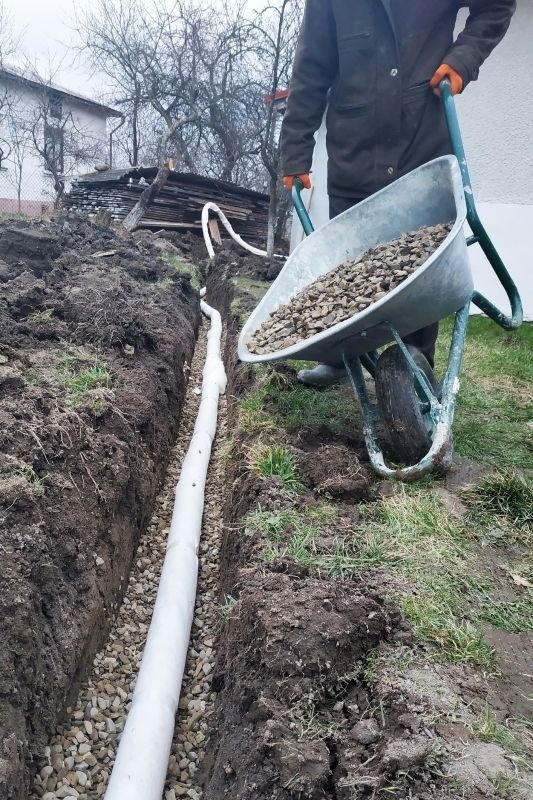
French drain systems are effective for reducing basement flooding and managing groundwater.
Surface drainage solutions improve yard safety by preventing standing water and mud.
Custom trench installation can be tailored to fit specific landscape and property needs.
Drainage upgrades help protect landscaping and prevent water damage over time.
Drainage Trench Installation Questions
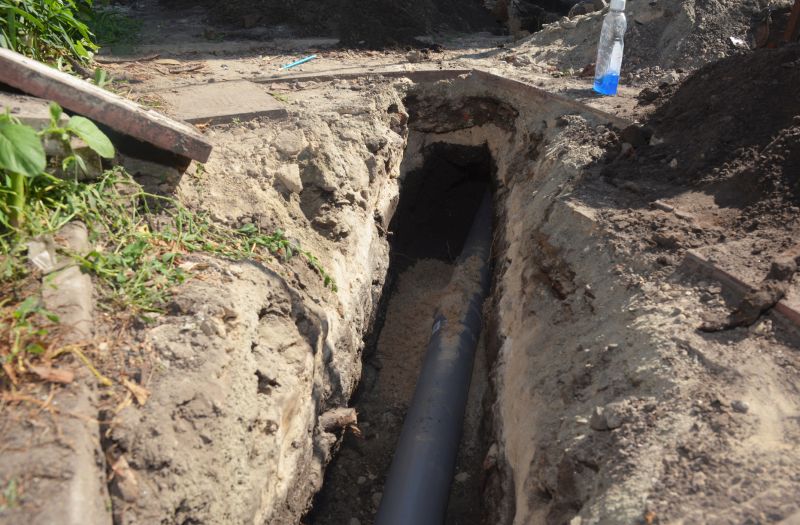
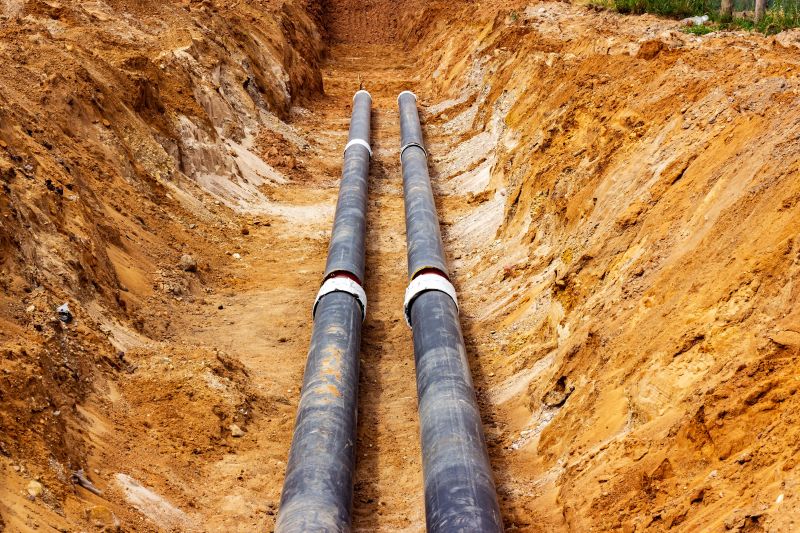
What is a drainage trench? A drainage trench is a shallow, open channel designed to direct excess water away from foundations, driveways, or gardens to prevent flooding and water damage.
What types of projects benefit from drainage trench installation? Properties with poor drainage, areas prone to pooling, or places needing water runoff management often benefit from drainage trenches.
How deep should a drainage trench be? The depth varies based on the property’s needs, but typically ranges from 6 inches to 2 feet to effectively manage water flow.
What materials are used for drainage trenches? Common materials include gravel, perforated pipe, and filter fabric to ensure proper water flow and prevent clogging.
Request Drainage Trench Installation in Salt Lake City, UT
Use the quote form on this page to share the basics of your project and request more information for the type of work you need.