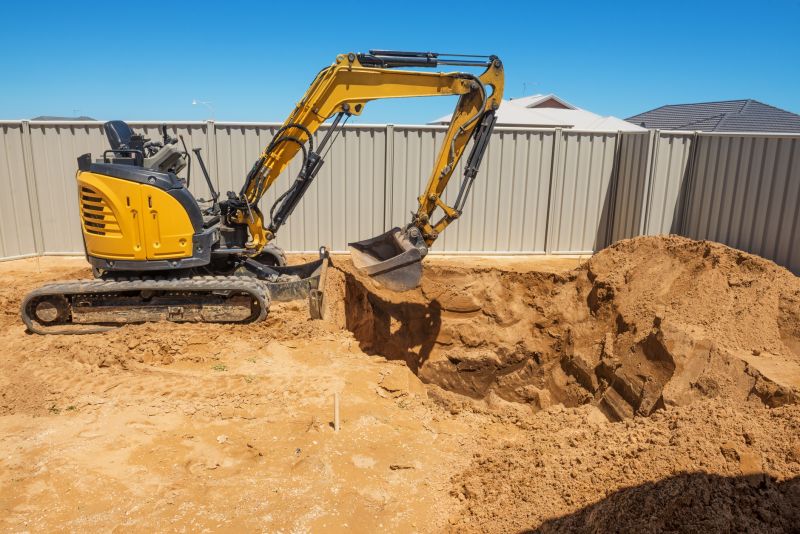
Pool Excavation in Salt Lake City, UT
Pool excavation services involve the removal of soil and earth to prepare a site for installing a new swimming pool. These services are essential for a variety of pool projects, including in-ground pools of different shapes and sizes, as well as custom designs that require precise digging and grading. Property owners typically want to understand the scope of excavation work, the type of equipment used, and how the process may impact their landscape or existing structures before requesting these services.
Homeowners planning to install a new pool or upgrade an existing one should consider factors such as the condition of the soil, accessibility of the site, and any necessary permits or regulations in Salt Lake City and nearby areas. Clear communication about the project’s size, the depth of excavation, and potential disruptions can help ensure the process proceeds smoothly. Understanding these details helps property owners prepare for the work and make informed decisions about their pool installation or renovation projects.
Many property owners in Salt Lake City, UT look into Pool Excavation for repairs, replacements, upgrades, and appearance-related improvements.
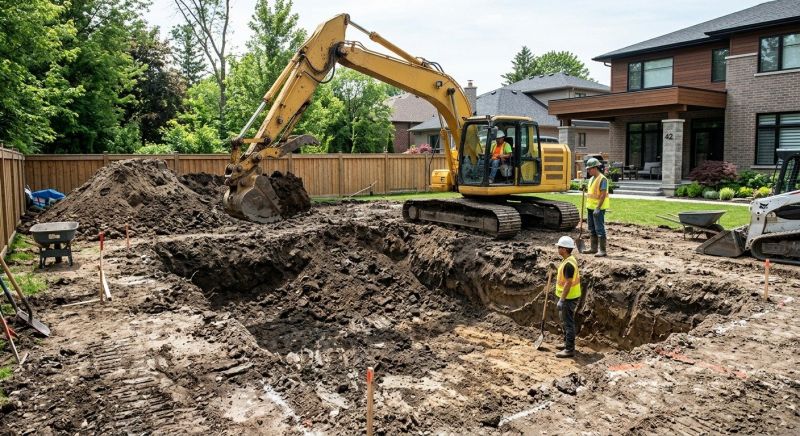
Pool Excavation Basics
Proper excavation ensures a stable foundation for your new pool.
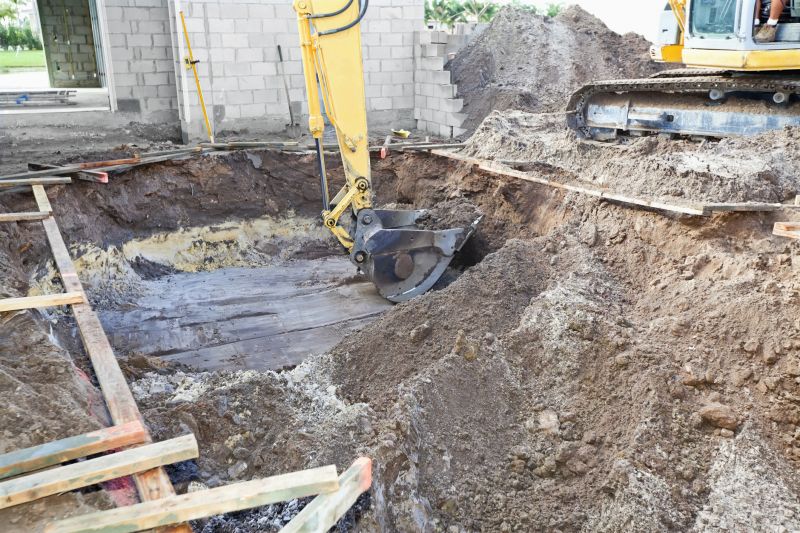
Preparation And Site Clearing
Clearing the site helps facilitate a smooth excavation process for residential pools.
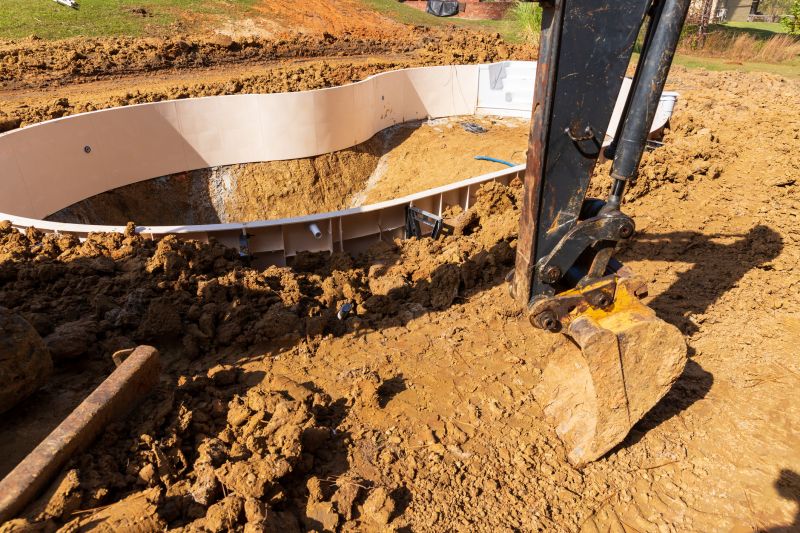
Custom Pool Sizes And Shapes
Excavation services accommodate a variety of pool designs to fit your property in salt lake city, ut.
Pool Excavation in Salt Lake City, UT
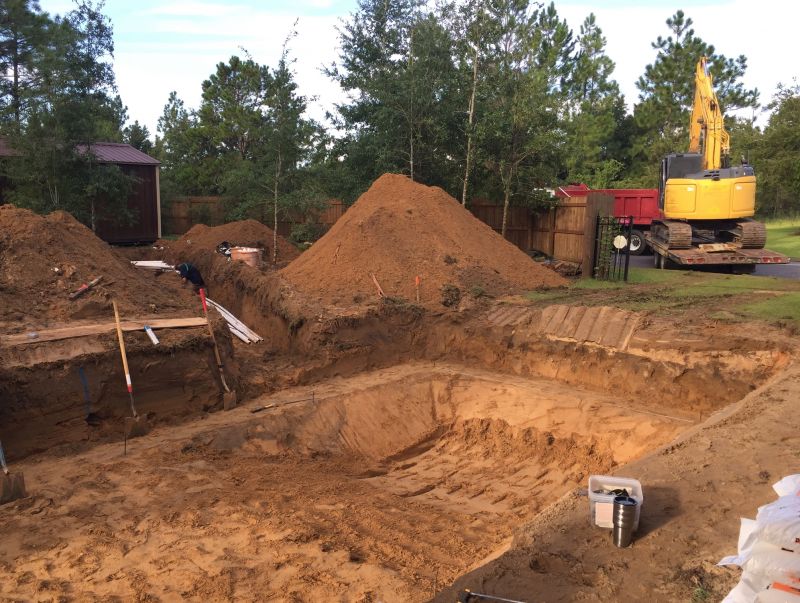
Pool excavation services involve the removal of soil and earth to prepare a site for installing a new swimming pool. These services are essential for a variety of pool projects, including in-ground pools of different shapes and sizes, as well as custom designs that require precise digging and grading. Property owners typically want to understand the scope of excavation work, the type of equipment used, and how the process may impact their landscape or existing structures before requesting these services.
Homeowners planning to install a new pool or upgrade an existing one should consider factors such as the condition of the soil, accessibility of the site, and any necessary permits or regulations in Salt Lake City and nearby areas. Clear communication about the project’s size, the depth of excavation, and potential disruptions can help ensure the process proceeds smoothly. Understanding these details helps property owners prepare for the work and make informed decisions about their pool installation or renovation projects.
Many property owners in Salt Lake City, UT look into Pool Excavation for repairs, replacements, upgrades, and appearance-related improvements.
Common Pool Excavation Jobs
Pool excavation involves removing soil to prepare the site for new pool installation.
Demolition excavation is used to remove existing structures or old pools before building new ones.
Site clearing ensures the area is free of debris and obstructions for a smooth excavation process.
Grading excavation levels the ground to provide a stable foundation for pool construction.
Utility trenching involves digging channels for plumbing, electrical, and other necessary connections.
Landscaping excavation prepares the yard for pool surrounds and aesthetic enhancements.
Pool Excavation Questions
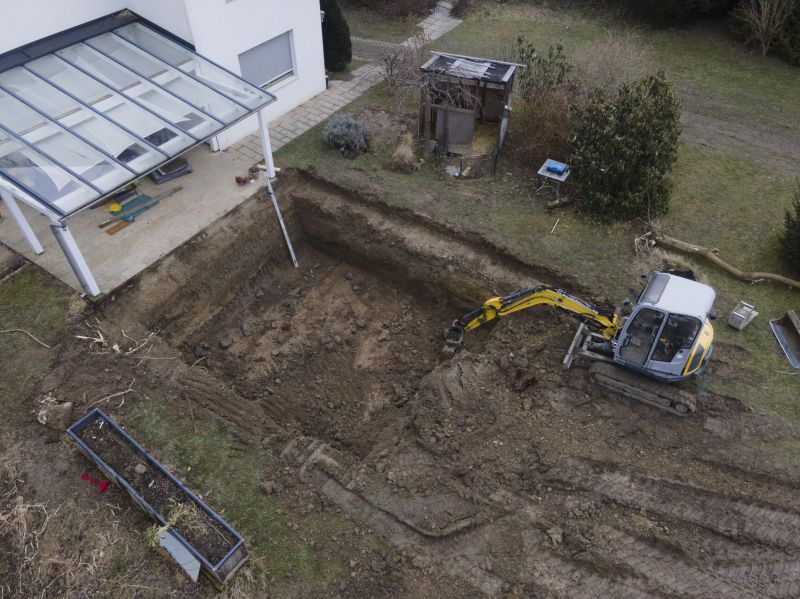
What is involved in pool excavation? Pool excavation includes removing soil and shaping the area to prepare for pool installation or renovation.
Can existing pools be expanded or modified? Yes, excavation can be used to enlarge or alter existing pool structures as part of renovation projects.
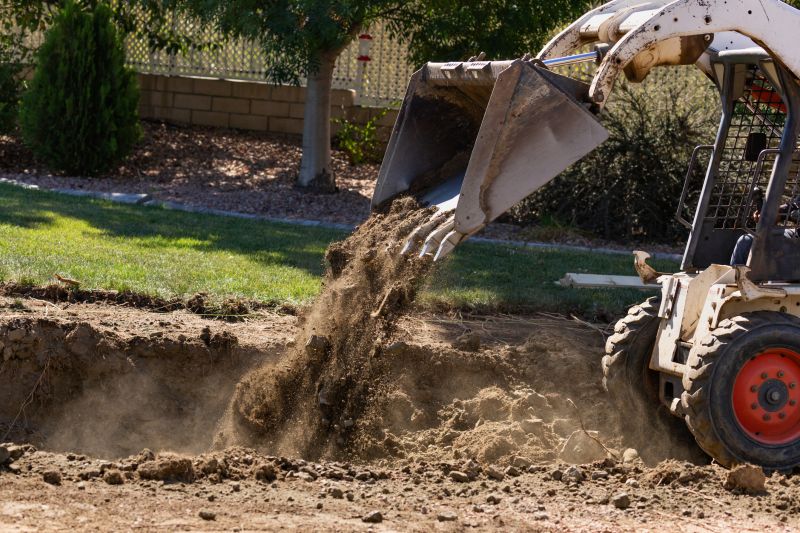
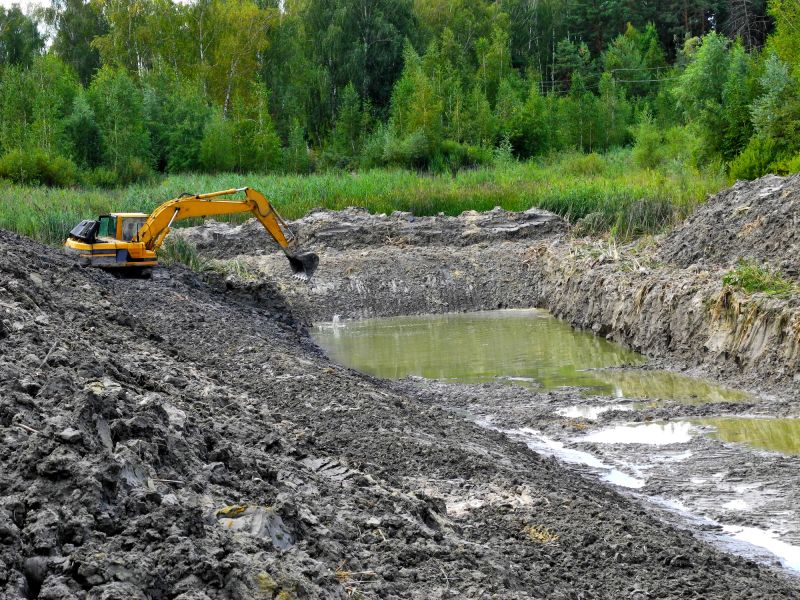
What equipment is used during excavation? Heavy machinery such as excavators and backhoes are typically used to dig and move soil efficiently.
Is site preparation necessary before excavation? Proper site preparation ensures the area is ready for excavation, including clearing debris and marking the work zone.
Request Pool Excavation in Salt Lake City, UT
Use the quote form on this page to share the basics of your project and request more information for the type of work you need.